Remembering Jesse Jackson
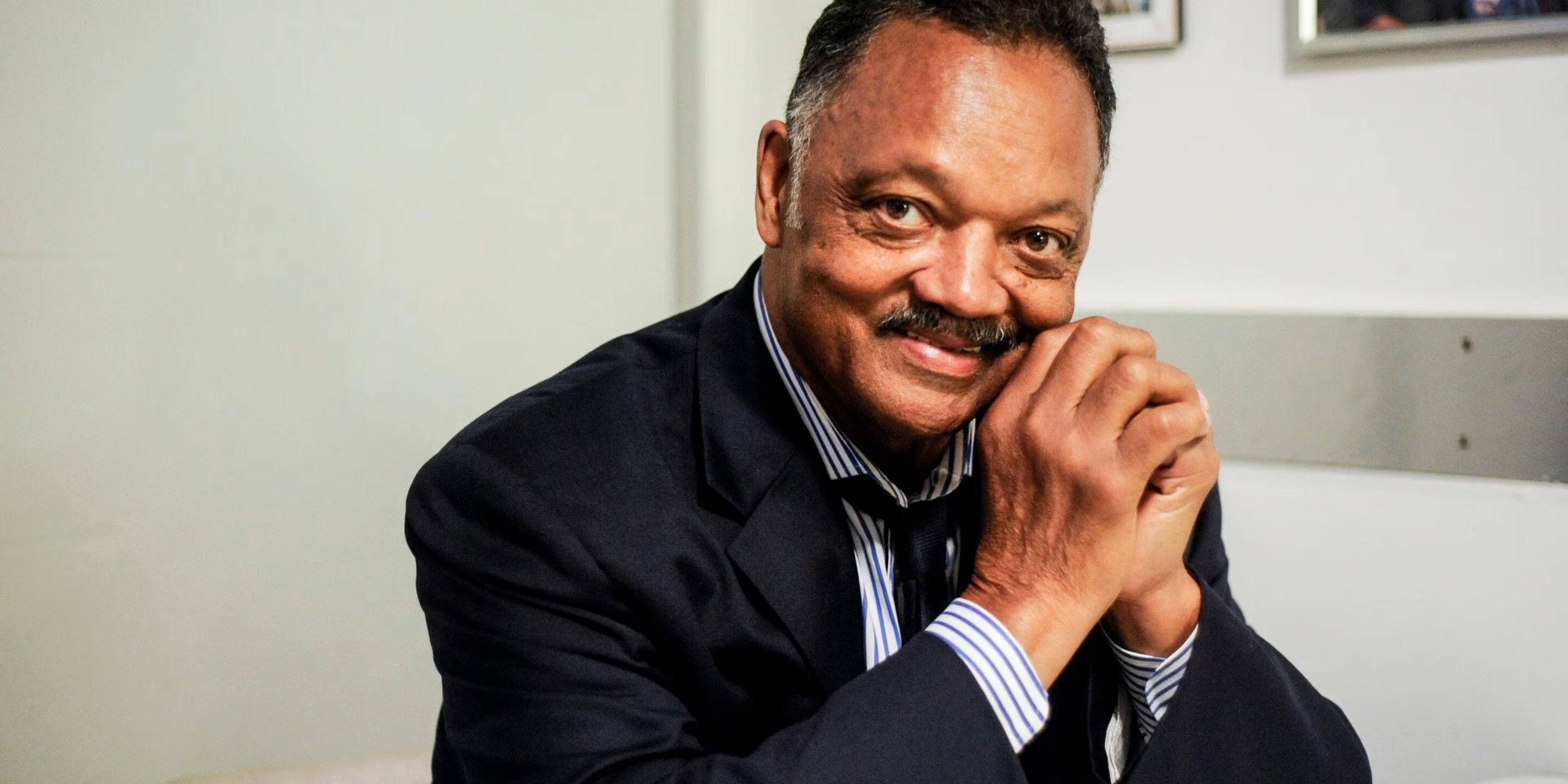
Chicago-based Civil rights icon dies at 84
The Rev. Jesse L. Jackson Sr. left an incredible civil rights legacy that wouldn’t be matched in the later years of the twentieth century. The man who founded Operation PUSH in 1971 (since renamed The RainbowPUSH Coalition) to fight for a better life for Black Americans died peacefully on Tuesday morning in Chicago at the age of 84, as he had struggled with numerous health issues the last few years, including Parkinson’s Disease.
Born in 1941 in Greensville, S.C., Jackson marched with Dr. Martin Luther King Jr. during the Civil Rights Era and was with him in Memphis when he was assassinated on April 4, 1968. Jackson was instrumental in electing Harold Washington as Chicago’s first Black mayor in 1983. He was a skilled negotiator, helping free hostages in Cuba and the release of three U.S. hostages in Belgrade in 1999, and often mediated in labor issues.
Jackson ran for President twice in 1984 and 1988. Even though he didn’t win the nomination, he made significant showings in each one, finishing second in 1988.
Jackson was influential in ensuring minorities were represented in the media. Jackson lobbied for more Black ownership of local television and radio stations, as the number of minority-owned outlets was less than 1 percent in the U.S.

In 1985, Jackson and Operation PUSH launched a boycott of CBS and its locally owned-and-operated station here, WBBM-TV, after it demoted popular anchor Harry Porterfield from its 6 p.m. newscast to make room for a returning Bill Kurtis. The boycott, along with the rise of ABC-owned WLS-TV due to Oprah Winfrey’s increasing popularity, cost the station future generations of Black viewers, a loss that still resonates today (along with other blunders that sent viewers of all races stampeding for the exits.) This came at the same time CBS was in decline and fought off a takeover attempt by Ted Turner.
During the 1990-91 season, Jackson hosted a weekly syndicated talk show based in Washington, D.C., syndicated by Warner Bros., focusing on civil rights and political issues. The show was notable for not securing a Chicago station clearance until the last minute (when WPWR-TV agreed to air it) and lasted only a year.
Jackson made numerous television appearances throughout his lifetime. He hosted Saturday Night Live in 1984 and made a cameo appearance in 1991, humorously reading Dr. Seuss’ Green Eggs and Ham. Jackson also made a guest appearance on A Different World in 1989, where he spoke at the fictional Hillman College. Jackson also gave the eulogy at Walter Payton’s public memorial at Soldier Field.
Jackson made the rounds on numerous daytime, late-night, and political talk shows. He was one of the guests in early episodes of The Jerry Springer Show before it changed formats, and also appeared on Arsenio Hall’s first late-night show. Jackson also appeared on local television, of course, appearing as a panelist on WBBM-TV’s 1974 special So You Think You Know Chicago.
Whether you agreed with him or not, you can’t deny the impact Rev. Jackson had on society as he fought for the rights of Black people and the desire to be heard. Jackson is truly a fighter who will never be forgotten and holds a special place in the hearts and minds of Black Chicago.
R.I.P. Jesse Jackson, I didn’t know Jesse Jackson had a syndication talk show as I don’t know if it was cleared in West Michigan.